
Why ground robotics are now critical in modern combat
Autonomy in the pursuit of interoperability is today’s path for ground robotics.
Autonomy in the pursuit of interoperability is today’s path for ground robotics.

The Army's Project Origin robots have already changed the battlefield in exercises, but the office running the program says they're just getting started.


Consolidate network monitoring, performance management, and fault isolation into a single, comprehensive solution.

“It's this idea of collaborative sensing,” said Col. Andre’ Abadie, referring to one autonomous system talking to another to, say, confirm enemy positions or equipment.
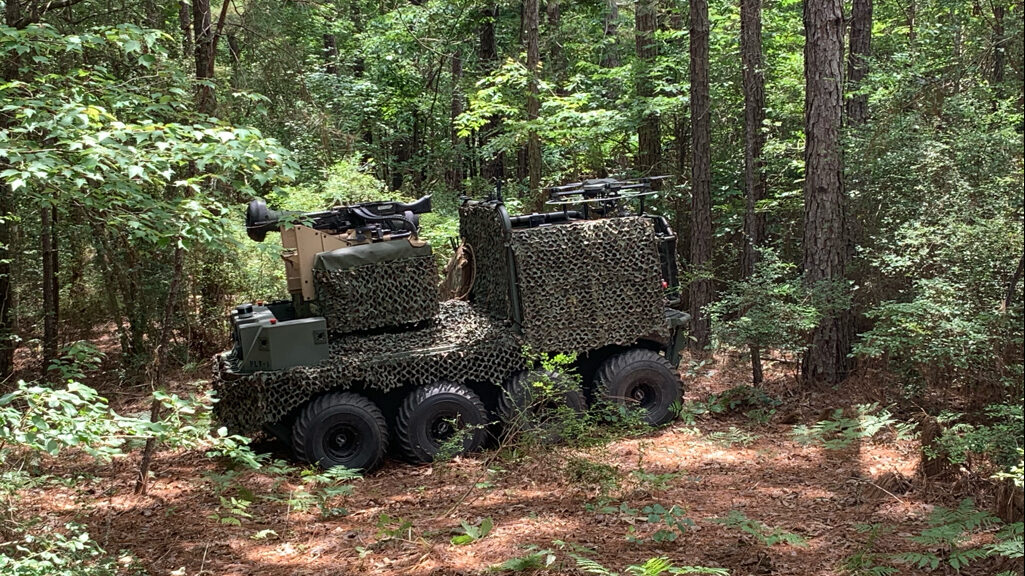
Two robot vehicles provided route reconnaissance, blocked an intersection and denied a helicopter landing zone during the JRTC rotation — all critical but potentially deadly tasks for soldiers.

The program, which was rebaselined during Low Rate Initial Production, is now meeting monthly production goals, Jim Schimer, deputy PEO for ground combat systems, told us. But a "gap remains" between what BAE was contracted to supply and what they are supplying.
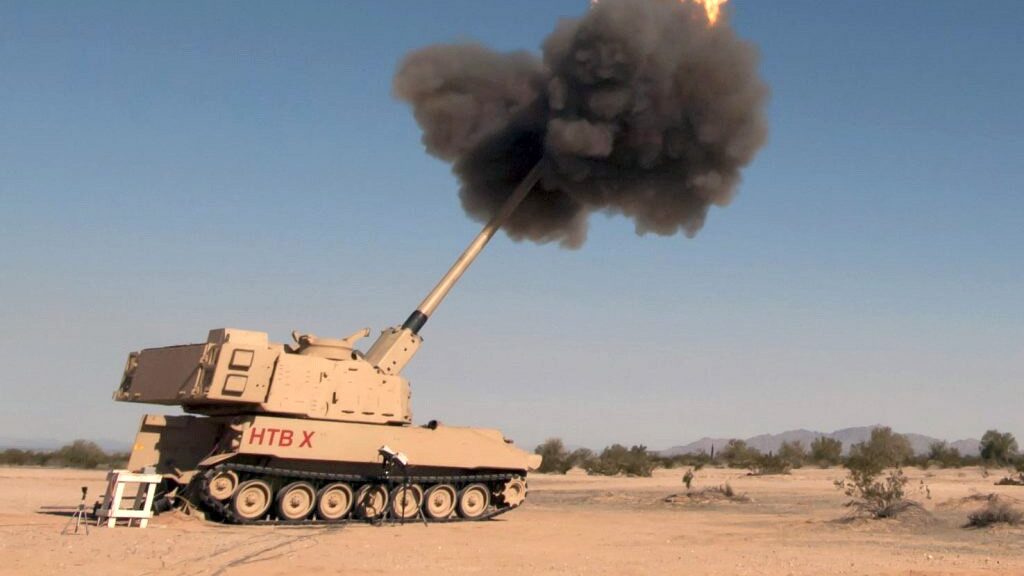
Army Chief of Staff said modernization efforts are "already paying off."


Blending superior optics, advanced stabilization and AI-powered autonomy in a compact and rugged system, ASELFLIR 600 delivers unmatched intelligence, surveillance and reconnaissance (ISR) capabilities.
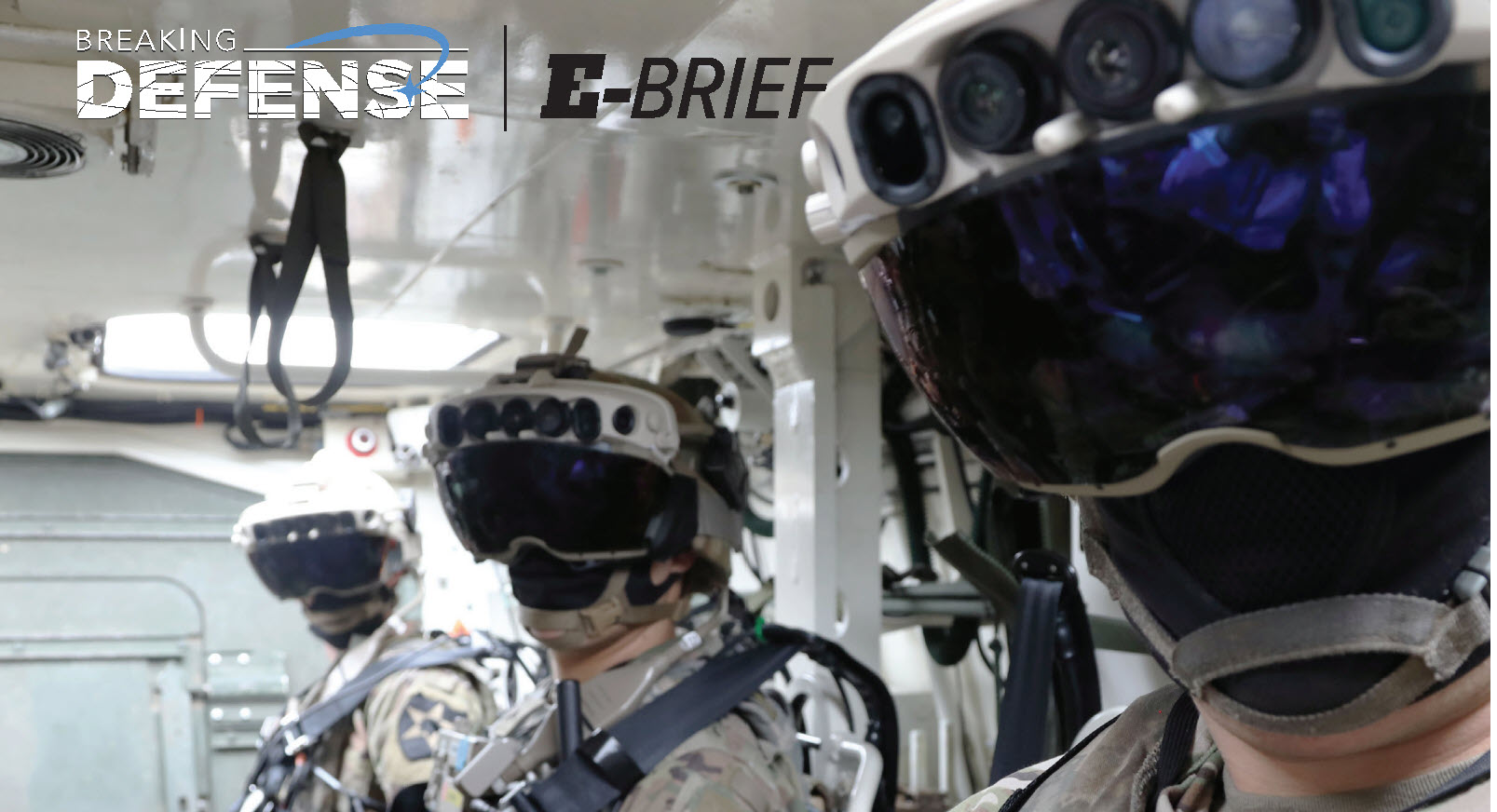
Artificial intelligence, machine learning, and edge computing are key enablers for distributed, multi-domain operations.
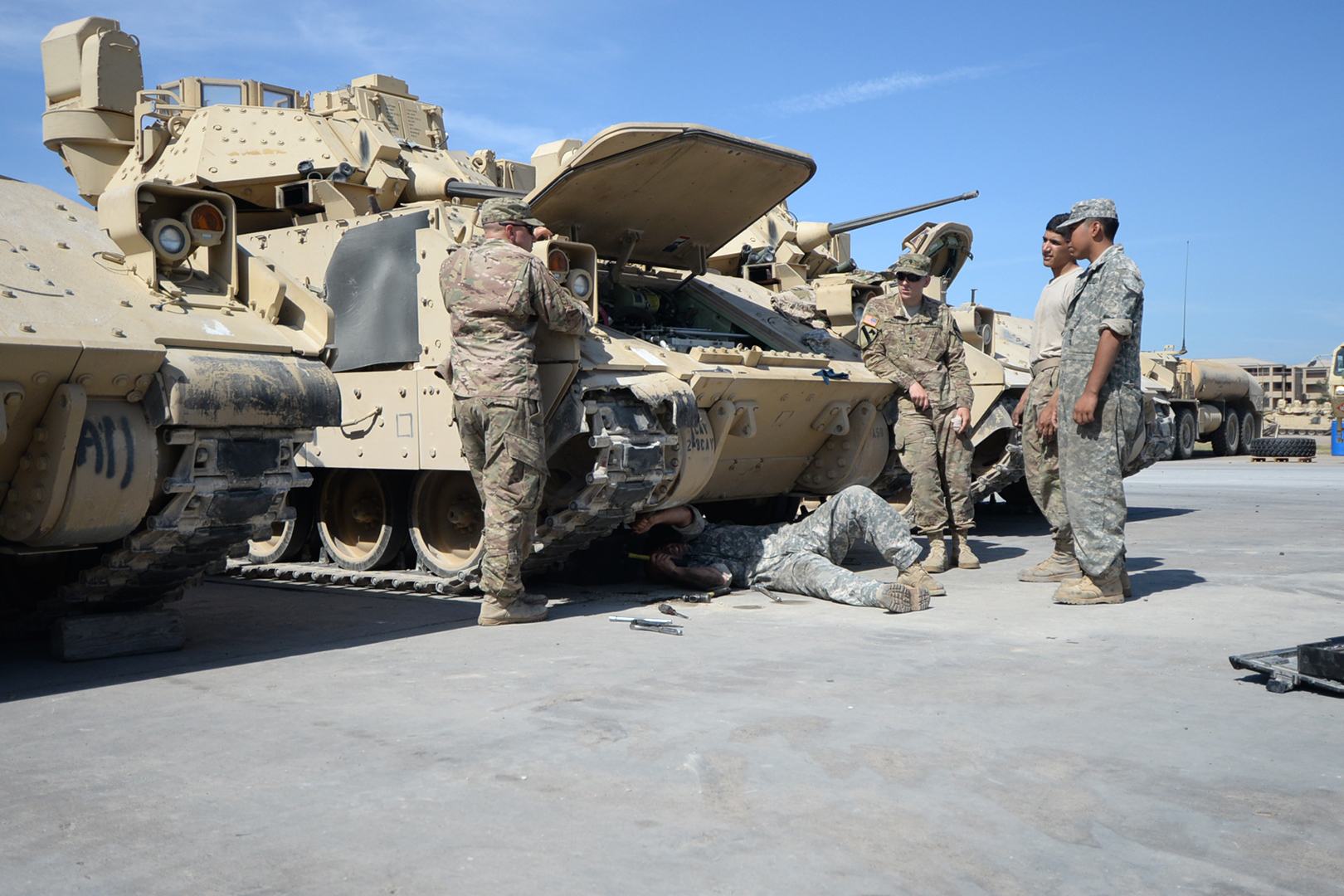
“Modular open systems architecture... is the foundation of all our future modernization,” said Brig. Gen. Glenn Dean. The Bradley replacement, OMFV, will be the test case.

Industry is excited about the Optionally Manned Fighting Vehicle. Congress and the Biden Administration are a harder sell.
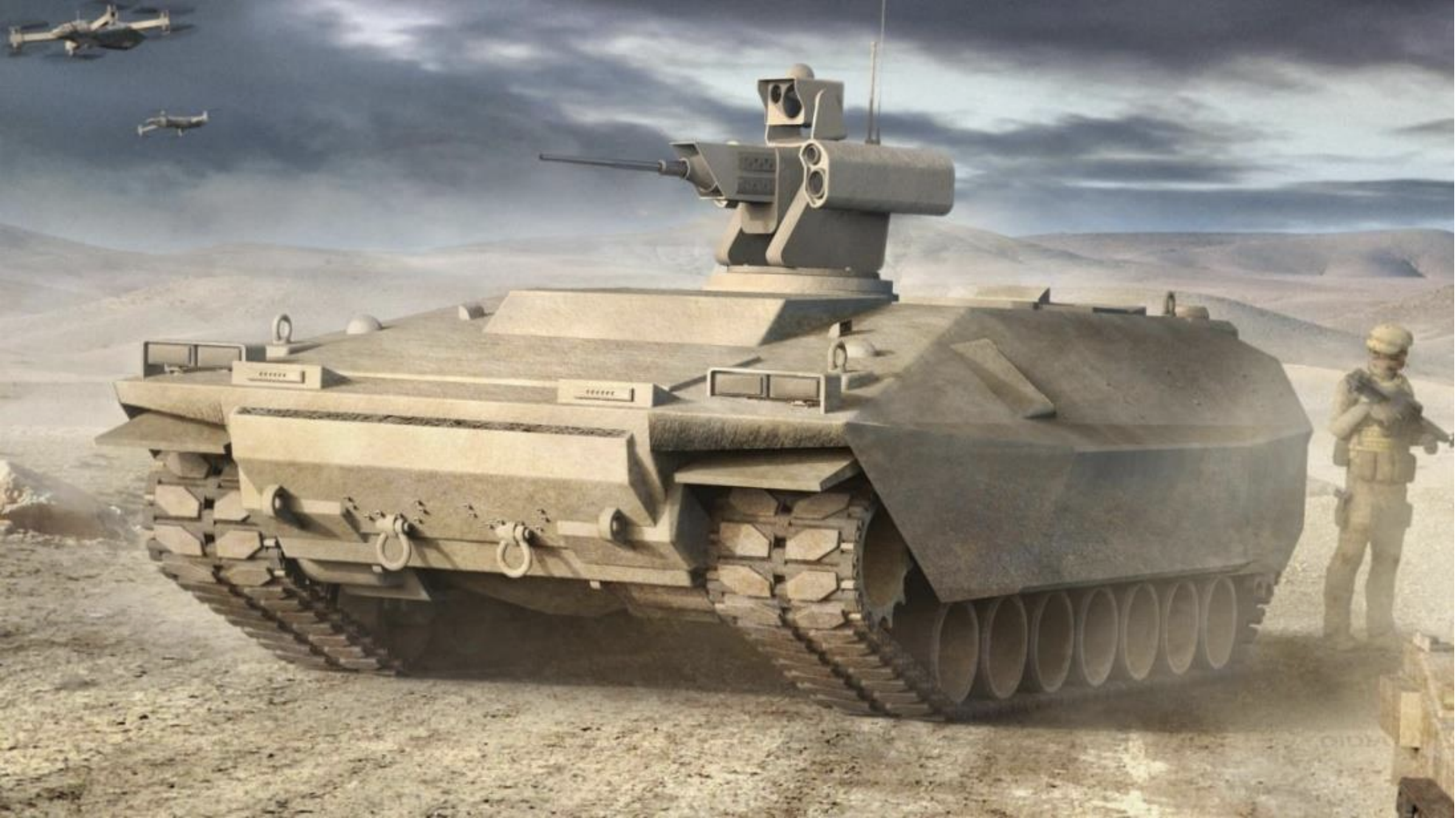
“We realize that we may be considered an underdog,” says the company, which has never built a vehicle before, “but that is not going to stop us” — and the Army has explicitly sought out small businesses with big ideas.


Cybersecurity skills must evolve in near-real time as Zero Day threats continue and AI provides new challenges.

The Korean company is partnering with US-based Oshkosh. That means at least five teams are now competing to replace the M2 Bradley, a far stronger response than the Army’s first attempt in 2019.

General Dynamics is offering the Army a design approach -- not a specific vehicle -- that rigorously examines a wide array of options. The common factors: advanced electronics, open architecture and artificial intelligence.
BAE’s press release features a shadowy silhouette of a previously unseen vehicle. Could this be BAE’s proposal for the Optionally Manned Fighting Vehicle?

L3Harris joins Textron and Raytheon on Rheinmetall’s team to refine the heavily armored, high-tech Lynx for the Army’s Optionally Manned Fighting vehicle competition.